
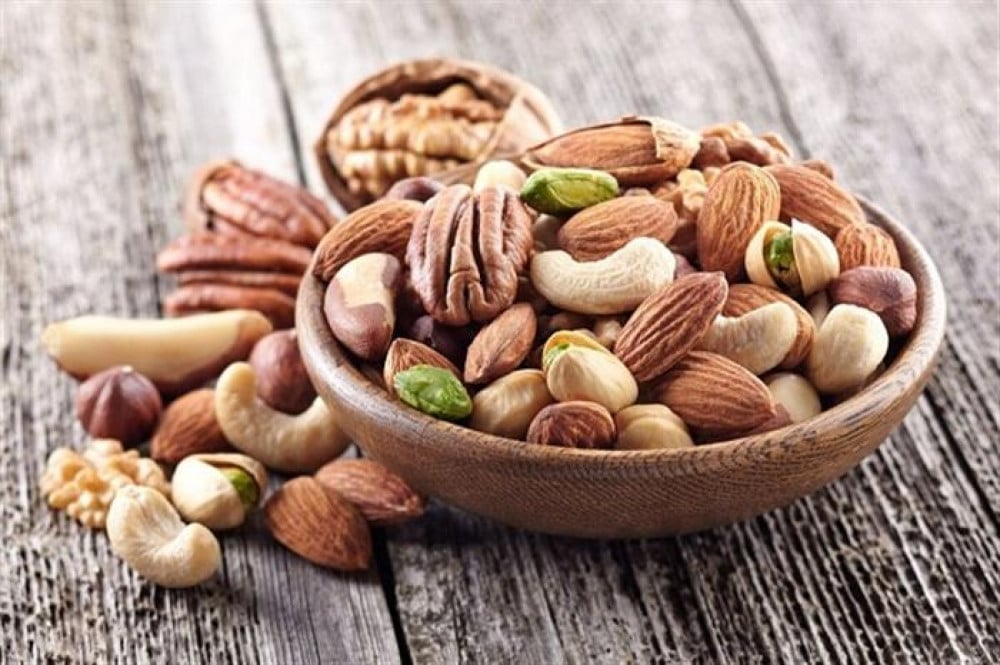

Nuts are natural, nutrient-rich foods that are widely popular in many cultures around the world. Nuts are a healthy choice for snacks and main meals, but there is always a question about the effect of nuts on weight gain. In this article from Atara Store, we will explore whether nuts help with weight gain or not, and we will also discuss the benefits of nuts for health.
Do nuts help gain weight?
Nuts are an important source of calories, healthy fats, protein, fibre, vitamins and minerals, and they provide many health benefits. However, some people consider these nutritional properties to cause weight gain, but is this true? Let's take a look at the following points:
- Calories: Nuts contain high relative calories compared to other fruits and vegetables. For example, 1 tablespoon of peanut butter contains the same number of calories as 4 teaspoons of toasted hazelnuts . Therefore, it is recommended to eat nuts in moderation according to the body's individual calorie needs.
- Healthy fats: Nuts contain healthy unsaturated fats, such as monounsaturated fats and polyunsaturated fats. These fats are essential for cardiovascular health and for many other body functions. However, fats contain more calories than proteins and carbohydrates, so they should be eaten in reasonable quantities.
- Fiber: Nuts contain high levels of dietary fiber, which are beneficial for the health of the digestive system and promoting satiety, such as walnuts , hazelnuts, and almonds. Fiber works to delay the digestion of food, making you feel full for a longer period, and thus can contribute to controlling food intake in smaller quantities.
- Protein: Nuts contain moderate levels of protein, which is an essential component for building muscles and tissues in the body. Protein is an important part of the diet for those who exercise and want to build strong muscles.
Benefits of nuts for health
In addition to affecting weight, nuts have several health benefits that you should consider when including them in your diet:
- Heart health: Nuts contain many unsaturated and monounsaturated fats, which promote heart health and contribute to reducing harmful cholesterol levels in the blood.
- Controlling blood sugar levels: Nuts contain fiber and proteins that contribute to controlling blood sugar levels and reducing sharp rises in sugar levels after eating, such as eating peeled pistachios .
- Improving brain function: Nuts contain antioxidants and omega-3 compounds that may contribute to improving mental functions and concentration and reducing the risk of mental aging diseases.
- Digestive health: Nuts contain fiber, which promotes digestive health and contributes to preventing constipation and improving bowel movement.
Choose healthy nuts
To enjoy the benefits of nuts and benefit from them in a healthy way, it is preferable to choose natural, unsalted and unroasted nuts, such as roasted chickpeas . Here are some tips for choosing healthy nuts:
- Choose fresh and organic nuts when possible, such as raw sunflower seeds .
- Avoid nuts roasted with unhealthy oil or butter.
- Buy natural nuts without added salt or sugar, such as raw cashews .
- Read the ingredients listed on the package to make sure no processing or preservatives have been added.
Moderation is key
Despite the health benefits of nuts, they should be consumed in moderate amounts according to your personal needs and health goals. For example, one tablespoon of peanut butter may contain about 100 calories, which is about 5% of the daily calorie needs of a person who needs 2,000 calories per day.
Nuts are a healthy and delicious option to include in your daily diet, but they should be eaten in moderate amounts and wisely. Nuts may be highly nutritious and high in relative calories, but they provide many vital nutrients that contribute to overall health and maintaining a healthy weight. Enjoy eating nuts in moderation as part of a healthy lifestyle and balanced diet, and don't forget to engage in regular physical activity to maintain your physical fitness and overall health.